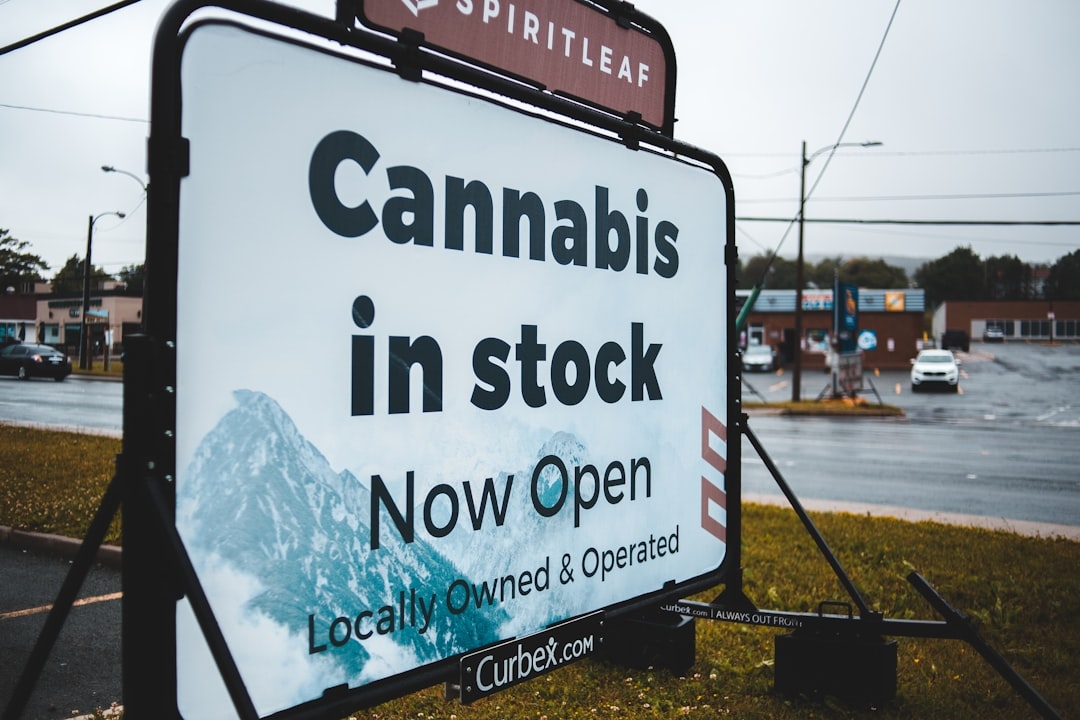
In San Jose, cannabis dispensary regulations are a big deal. They’re not just rules; they’re the framework that ensures everything runs safely and legally. If you’re looking to open a dispensary here, you need to know the lay of the land. First off, you’ve got to apply for a Conditional Use Permit (CUP). This is your first step and without it, you can’t even think about opening your doors. The city has zoning laws that dictate where dispensaries can be located, and they’re pretty strict about it. So, make sure your intended location complies.
Once you’ve got your CUP, you’ll need a state license. This is where many folks trip up. The state’s involved because they want to ensure that all cannabis sales are tracked and taxed appropriately. You’re going to need to show that you can maintain security, track inventory, and keep financial records in line with state requirements. Don’t cut corners here, or you might find your application denied.
It’s also crucial to understand that the application process isn’t quick. It can take months, and the fees aren’t cheap. But it’s important because it helps weed out those who aren’t serious about running a compliant operation. If you skip steps or ignore regulations, you risk hefty fines or even losing your business license. The city’s pretty strict about compliance, so keeping up with changes in regulations is a must. You can shop a wide selection of cannabis products at local dispensaries in San Jose today. Stay informed, stay compliant, and you’ll be more likely to succeed in navigating San Jose’s cannabis dispensary licensing process.
To get a cannabis dispensary license in San Jose, there are specific requirements you need to meet. First off, individuals must be at least 21 years old. That's non-negotiable. For businesses, they need to be registered with the state and provide proof of that registration. Also, there's a background check. It's thorough and covers criminal history. Any felony related to controlled substances? That's going to be a problem.
Next, applicants must demonstrate their ability to comply with local zoning laws. Not every location is a go. You can't just set up shop next to a school or park. So, doing your homework on zoning regulations is crucial. Another thing to keep in mind is financial transparency. The city wants to see your financial records. They need to know you've got the resources to operate legally and sustainably.
Then there's the application fee. It's not pocket change. We're talking thousands of dollars here. And it's non-refundable. So, if your application doesn't get approved, that money is gone. Make sure your paperwork is spot on before you submit.
Common mistakes? Underestimating the time it takes to gather all the required documents. Or overlooking the importance of a solid business plan. If you don't do it right, not only can you lose your fee, but you might also face delays or denials that set you back months. Recreational cannabis San Jose shoppers buy legally gives adults more control over product type, potency, dosage, and whether snacks should be purchased beforehand. So, take the time to understand each requirement thoroughly. It's a detailed process, but getting it right means you're on your way to running a compliant cannabis dispensary in San Jose.
Before diving into the application process, it's crucial to conduct thorough research. Understand the local regulations and state laws that govern cannabis dispensaries in San Jose. Familiarize yourself with the specific requirements and qualifications needed for applicants. This foundational knowledge will save time and prevent common pitfalls later on. Many applicants make the mistake of skipping this step, leading to delays or rejections. Knowing the rules inside and out sets a solid groundwork for your application.
Once you're familiar with the requirements, the next step is to gather all necessary documentation. This includes financial statements, business plans, and proof of compliance with zoning laws. Ensure all documents are current and accurate; outdated or incorrect paperwork can cause significant setbacks. It's often helpful to create a checklist to keep track of everything you need. Remember, incomplete applications are one of the most common reasons for rejection.
Submitting your application is more than just handing in forms. Double-check that every section is filled out correctly and that all required documents are attached. Pay attention to submission deadlines and formats specified by the licensing authority. Late or improperly formatted submissions are often disqualified without consideration. It's a good idea to have someone else review your application to catch any errors you might have missed.
If your application is accepted, you may be called for an interview or presentation. This is your chance to demonstrate your understanding of the business and regulatory environment. Be prepared to discuss your business plan and how you plan to ensure compliance with local laws. Practicing your presentation skills in advance can help alleviate nerves and boost confidence. A well-prepared interview can significantly increase your chances of approval.
After the interview, there may still be additional steps required before final approval. Stay in touch with the licensing board to monitor the status of your application. Promptly respond to any requests for more information or clarification. This proactive approach shows diligence and commitment. It's important to be patient, as the review process can take time. If your application is successful, you'll be notified of the next steps to officially open your dispensary.

In San Jose, if you're running a cannabis dispensary, you have to play by the rules. They're not just guidelines; they're the law. The city requires that you adhere to strict compliance regulations. First off, you need a valid state license. That's non-negotiable. Without it, you're not operating legally. But that's just the start. When people search cannabis near me San Jose, they usually want nearby products, helpful staff, and parking that does not feel like a final boss battle. You must comply with local zoning laws. Dispensaries can't be too close to schools or parks. They're serious about this.
Non-compliance isn't just a slap on the wrist. It can mean shutting down your business, facing legal action, or both. So, staying informed and organized is crucial. Many dispensaries hire compliance officers or consultants to help navigate these waters. It's not just about following rules; it's about building trust with your customers and the community.
Security is another big deal. The regulations demand robust security measures. Think cameras, alarms, and secure storage. It's all about preventing theft and ensuring safety. Then there's the track and trace system. This is how the state keeps tabs on cannabis products from seed to sale. You have to log every movement, every transaction. Miss a step, and you're risking fines or even losing your license.
Product testing is mandatory. Everything you sell has to be tested for potency and contaminants. No exceptions. It's about ensuring consumer safety. And let's not forget about taxes. You need to keep up with local and state tax requirements. Falling behind can lead to hefty penalties.

When you're looking to open a cannabis dispensary in San Jose, one of the first things you'll need to wrap your head around is the city's zoning laws. These laws dictate where your dispensary can be located, and they’re not just suggestions—they’re strict rules that you must follow if you want to get your license approved. San Jose has specific zones where dispensaries are allowed, mainly in industrial areas and away from residential neighborhoods. It's not just about finding a spot with a lot of foot traffic; it's about ensuring you're in a legally compliant area.
One key thing to remember is the buffer zones. Dispensaries need to be a certain distance away from schools, parks, and other places where minors hang out. The city mandates a 1,000-foot buffer from schools and a 500-foot buffer from community centers and libraries. If your location doesn’t meet these criteria, you’ll have to go back to the drawing board.
Important Zoning Facts:
Another aspect to consider is the saturation of dispensaries in certain areas. The city doesn’t want too many dispensaries clustered together. This means you’ll need to check how close you are to existing dispensaries. Even if you find a location that fits the zoning requirements, having too many competitors nearby could be a red flag for your application.
If you ignore these zoning laws, your application will likely be rejected. Worse, if you open a dispensary in a non-compliant area, you could face hefty fines and be forced to shut down. It's crucial to do your homework upfront, consult city maps, and maybe even talk to a local attorney who specializes in cannabis law. Getting it right from the start can save you a lot of headaches down the road.
Engaging with the community is a crucial component when navigating the cannabis dispensary licensing process in San Jose. The local community's support can determine the success of your licensing efforts. It’s not just about setting up shop and expecting people to walk in. It’s about being part of the neighborhood, understanding their concerns, and addressing them. This means attending town meetings, introducing yourself to local leaders, and even participating in local events. You want the community to see you as a neighbor, not just a business.
Start by listening. What are the community’s concerns about having a dispensary nearby? Safety? Increased traffic? Address these issues directly. For example, you can implement security measures like cameras and hire local security personnel. Show them you’re committed to being a responsible business owner.
Building relationships is not a one-time task. It’s ongoing. Consider hosting informational sessions about cannabis, its benefits, and how your business will operate within legal guidelines. This not only educates the community but also dispels myths and reduces stigma.
Don’t make the mistake of ignoring feedback. If you’re not open to dialogue, you’ll likely face opposition. And that can complicate your licensing process. Remember, a community that feels heard is more likely to support you.
In a nutshell, community interaction is not just a box to check off. It’s a continuous effort to integrate your business into the local fabric. Without it, you risk alienating the very people who can influence your success or failure in obtaining a license. So, take the time, make the effort, and build those bridges. It’s worth it.
Running a cannabis dispensary in San Jose isn’t just about having the right products. It’s about the day-to-day grind and making sure everything is in line with local regulations. First thing, know your inventory inside and out. Keep a tight record of what’s coming in and what’s going out. This helps avoid any compliance issues and ensures you’re not caught off guard during an inspection. Speaking of inspections, they happen. Be ready for them. Regularly check that everything from product labeling to storage meets the city’s standards. If something’s off, fix it before it becomes a problem.
Key Considerations:
Customer service is another biggie. Your staff should know their stuff. Can they explain the difference between indica and sativa? Can they help a newbie find what they need without overwhelming them? Training is key. Make sure your team is up to date on the latest cannabis laws and product knowledge. It’s not just about selling; it’s about educating.
Security measures shouldn’t be an afterthought. Cameras, alarms, and secure storage are non-negotiable. Not only does this keep your products safe, but it also builds trust with customers who want to feel secure when they shop.
Finally, don’t forget about community relations. Being a good neighbor can go a long way. Engage with your community. Address concerns they might have about your business. A dispensary that’s seen as a positive part of the neighborhood is less likely to face pushback. So, keep everything above board, stay informed, and make sure your operations are tight. It’s a lot, but getting it right means smoother sailing for everyone involved.

Alright, let's get straight to it. Security is not just a checkbox for cannabis dispensaries in San Jose; it's a must. Why? Because we're dealing with a high-value product and cash-heavy transactions. First off, cameras. You need them everywhere—entrances, exits, and sales floors. They catch everything, and law enforcement loves that. But don’t just install them; make sure they’re working and positioned right. If you miss a corner, it’s like leaving the backdoor open.
Next, think about access control.
Security Essentials:
Let’s not forget about the human element. Train your staff. They should know what to do in an emergency. Panic buttons should be within reach. And don’t underestimate the power of a good relationship with local law enforcement. They can offer advice and might respond faster if they know you.
Overlooking these measures can lead to theft, legal issues, or even losing your license. So, it’s not just about compliance; it’s about peace of mind for you and your customers. Keep it tight, keep it right.
Navigating the cannabis dispensary licensing process in San Jose can be tricky. A lot of folks jump in without fully understanding the requirements, and that’s where things start to go south. One common hurdle is the mountain of paperwork. There's an extensive list of documents that need to be submitted, like business plans, security protocols, and community relations strategies. Missing even one piece can delay your application or get it rejected outright. So, double-checking all documentation is a must.
Another challenge is zoning. San Jose has specific areas where dispensaries can operate, and they’re not always easy to find. Many applicants pick a location only to realize later it doesn’t comply with local zoning laws. It’s crucial to consult the city’s zoning maps or even speak with a local zoning expert before signing a lease.
Financial planning is another pitfall. The costs can add up quickly, from application fees to building renovations. Applicants often underestimate the financial commitment, leading to cash flow issues later on. A detailed budget helps prevent surprises.
Then there’s community engagement. San Jose requires applicants to show how they’ll positively impact the community. Ignoring this can be a deal-breaker. Engaging with local residents and addressing their concerns upfront can make a big difference.
Lastly, compliance with state and local regulations is non-negotiable. Failing to keep up with changes in laws or overlooking compliance details can lead to fines or even losing your license. Regularly consulting with legal experts can help keep you on track.
Key Considerations:
In short, attention to detail and preparation are key. Missing steps can cost time and money, but with careful planning, these challenges can be managed effectively.

If you're diving into the cannabis dispensary licensing process in San Jose, knowing where to find help can make a world of difference. The city has a few key resources and organizations that can guide you through the maze. First up, the San Jose Office of Cannabis Regulation is a must-visit. They provide detailed info on local laws and the steps you need to follow. Their website is a good place to start for the nitty-gritty details.
Then, there’s the California Department of Cannabis Control. These folks handle the state-level regulations, so understanding their requirements is crucial. They can help you avoid common pitfalls, like missing documentation or incorrect application submissions. Trust me, you don't want to get stuck there.
For more personalized support, consider reaching out to local business groups like the Silicon Valley Cannabis Alliance. They offer networking opportunities and workshops that can be invaluable. These events can connect you with others who’ve been through the process, and that firsthand experience is gold.
Legal advice is another area where you shouldn't skimp. Cannabis law is complex, and firms specializing in this area can help ensure your application meets all legal requirements. Missing a legal detail can delay your application or even get it denied.
Finally, don’t overlook community workshops offered by local nonprofits. They often provide free or low-cost sessions on navigating business regulations. It’s a way to get a leg up without breaking the bank. So, use these resources wisely, and you’ll be better positioned to tackle the licensing process head-on.
Searching for a San Jose cannabis dispensary can be a simple way to explore adult-use cannabis options close to home. Whether you live near downtown San Jose, Willow Glen, Almaden, Evergreen, Berryessa, Cambrian Park, North San Jose, or West San Jose, a licensed dispensary can offer helpful guidance for both beginners and experienced shoppers.
A quality dispensary in San Jose CA may carry a wide selection of products for different preferences and experience levels. Beginners can ask about which products may fit their comfort level. Regular cannabis shoppers may look for stronger options, curated brands, or more targeted effects.
A marijuana retail electrical outlet (additionally called cannabis store, marijuana dispensary, marijuana shop, marijuana cooperative) is an area at which marijuana is offered or otherwise gave, either for entertainment or for medical use. As a result of the complex lawful regimes bordering cannabis, marijuana shops have various names and methods relying on the territory. In the Netherlands these are called "coffeeshops". In the United States they exist as electrical outlets typically called dispensaries for both leisure and medical use. In various other territories like Malta, Spain, Uruguay, Germany, cannabis dispensation occurs in cannabis social clubs, legally not considered as a retail store but as non-profit cooperatives. Ultimately, there are various other sorts of cannabis stores like Bhang stores in India and speculative marijuana dispensation systems in Switzerland. Marijuana stores differ from head shops because the latter sells only medicine paraphernalia. The world's biggest cannabis dispensary is in Las Las Vega, Nevada, at 112,000 square feet opened by Planet 13 Holdings.
.